

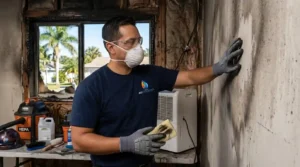
Experiencing a residential or commercial fire is one of the most traumatic events a property owner can face. Once the fire department clears the scene and marks the structure as safe to enter, the clock begins ticking.
The hours immediately following a fire are critical. Acidic soot residues, corrosive smoke particles, and thousands of gallons of water used during firefighting efforts begin degrading building materials instantly. Following proper emergency fire recovery steps and hiring certified fire recovery specialists will protect your property from secondary loss and structural collapse.
4 Critical Steps to Take Immediately After a Fire Event
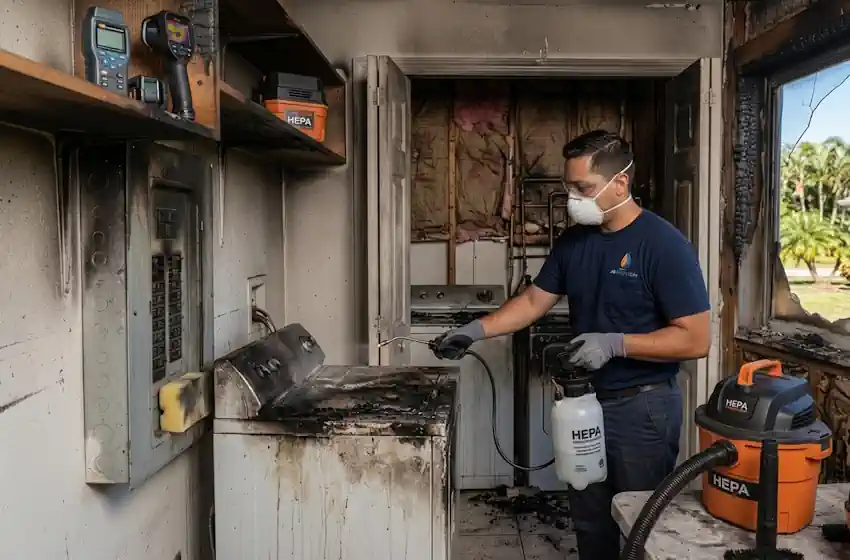
To minimize permanent damage and streamline your insurance claim process, execute these essential steps within the first 24 hours:
1. Secure Property Authorization and Avoid Physical Hazards
Never enter a fire-damaged structure until local fire officials give explicit clearance. Structural timber may be burnt through, electrical lines could be live, and toxic airborne particulates remain suspended in the air.
2. Document Structural and Personal Property Losses
Before any debris removal or cleaning begins, take comprehensive photos and videos of every room, wall, ceiling, and damaged personal item. This detailed visual evidence is vital for your insurance adjuster to evaluate your claim properly.
3. Ventilate Safely and Do Not Touch Soot-Covered Surfaces
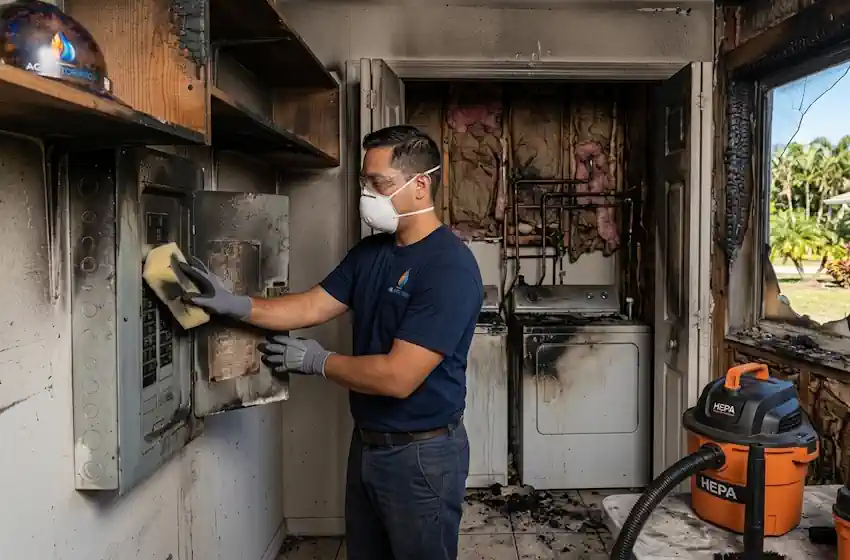
While opening windows helps clear lingering smoke odors, avoid wiping down walls, ceilings, or upholstery with standard household sponges. Soot particles are greasy and acidic; improper handling embeds the residue deeper into porous drywall and fabrics, making restoration far more difficult.
4. Mitigate Water and Soot Corrosion Immediately
Firefighting efforts leave behind massive amounts of standing water. When combined with acidic soot particles, this moisture creates a highly corrosive environment that tarnishes metals, yellows synthetic materials, and sparks rapid mold growth within 24 to 48 hours.
The Hidden Danger of Smoke and Acidic Soot Residue
Many property owners assume that if a room didn’t burn, it doesn’t need professional restoration. However, smoke and soot travel through HVAC ductwork and air gaps, settling throughout the entire property:
- Synthetic Soot: Originates from burning plastics and carpet fibers, leaving a smeary, sticky residue that requires specialized chemical sponge treatment.
- Protein Soot: Leaves an invisible, highly corrosive film with severe lingering odors, common in kitchen grease fires.
- Acidic Etching: Within hours, acidic soot permanently yellows plastic appliances, pits bare metal fixtures, and discolors bathroom grout.
Professional fire restoration requires thermal fogging, ozone or hydroxyl generator deodorization, and HEPA air scrubbing to eliminate odor molecules embedded deep inside building framing.
Frequently Asked Questions About Fire Recovery
Can I turn on my HVAC system to clear the smoke smell after a fire?
No. Never turn on your air conditioning or heating unit after a fire. Doing so draws soot and carcinogenic particulates into the ductwork, blowing toxic residues into unburned rooms and ruining the HVAC system.
How long does it take to restore a home after fire and smoke damage?
Minor smoke deodorization and soot cleanup can take 3 to 7 days. However, severe structural fire damage requiring water extraction, framing repair, and complete deodorization may take several weeks.
Need Emergency Fire and Smoke Damage Restoration in Florida?
Don’t let acidic soot and water intrusion ruin your property beyond repair. If your home or business has suffered fire damage, contact our Florida fire recovery specialists right now for 24/7 emergency containment, soot removal, and complete structural restoration.